Ask what the number can establish
Distinguish the output from evidence about how it was produced. Unless the app provides a clearly explained method and relevant evaluation, do not assume the number represents an objective ranking across people. It also cannot tell you how a friend experiences your expression or which haircut you will enjoy wearing. Write down the actual output without turning it into a label about yourself or someone else.
Replace rankings with preferences
Turn a broad question such as whether you look better into a specific choice: do you prefer a middle part or a side part in this portrait? Compare the two images under the same conditions and name what you like in ordinary language. For example, you might prefer a style because it keeps hair away from your glasses. That is a useful reason independent of whether an automated score moves up or down.
Set boundaries for use and sharing
Decide in advance how many comparisons serve the question, then stop when you have enough information to choose. There is no need to repeatedly upload portraits in pursuit of a higher number. Avoid rating other people without their agreement or sharing scores as a competition. If the output feels unhelpful, you can ignore it and use an unedited photograph or a conversation with someone you trust instead. Looks+ can be approached as a style-exploration tool; it should not become an authority over whether a person deserves confidence, respect, or belonging.
Take it with you
- Treat a rating as an app output, not a personal label.
- Prefer concrete style preferences to numerical rankings.
- Set a stopping point and respect others’ consent.
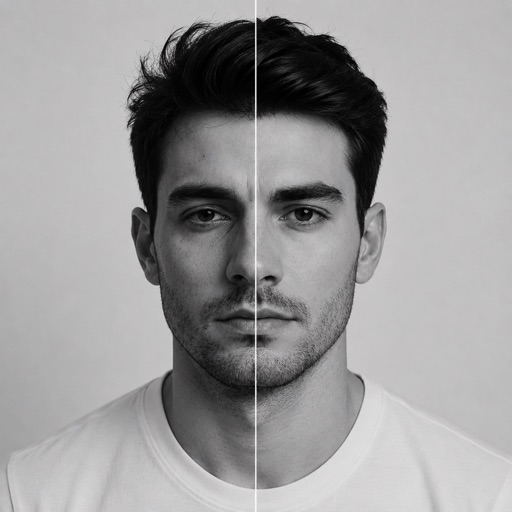
Looks+
Personal style exploration
Looks+ provides appearance-related suggestions and previews, not clinical assessment or a universal beauty standard. A face score does not determine personal worth. Generated previews may differ from real outcomes. Some features may require paid access; read current privacy and purchase terms.